La Esperanza Granada (LEG) has been deeply connected to educational and community development in Granada and the surrounding areas. One of our most significant contributions was the construction of both the primary school and the secondary school in the neighborhood of Nueva Esperanza.
The neighborhood, originally called San Ignacio, was founded about 18 years ago when the government granted land to homeless families. The conditions were clear: they could not own another house, they could not sell the land, and they had to live on it for at least 25 years. What began as a settlement of shacks and makeshift shelters soon became a community in urgent need of access to education.
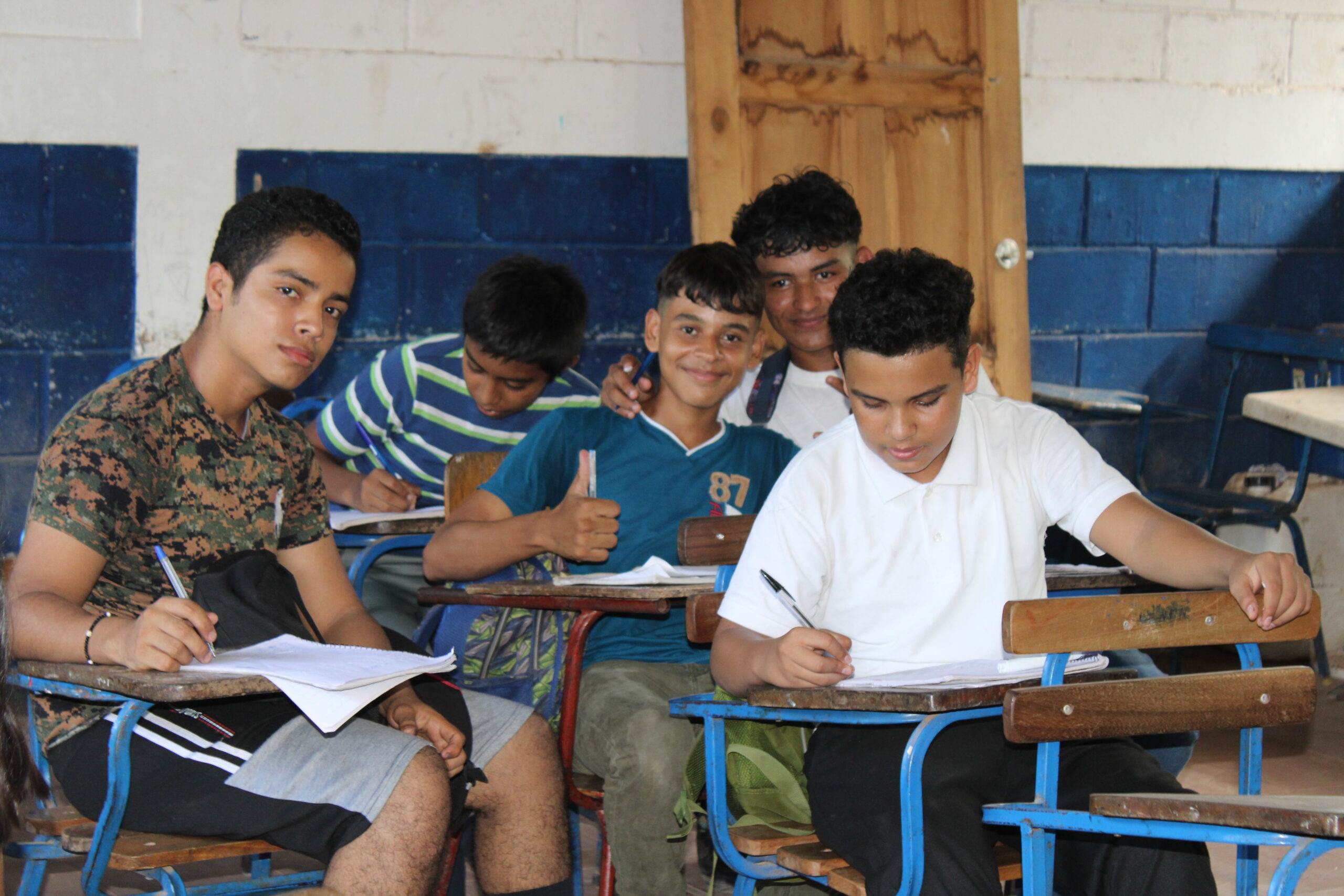
In the beginning, only older children could attend school, walking long distances to Elba Zamora or José de la Cruz Mena, over unpaved roads and through muddy puddles during the rainy season. Faced with this reality, LEG opened the first primary school with just kindergarten and grades one and two—yet in the very first year, more than 200 children enrolled.
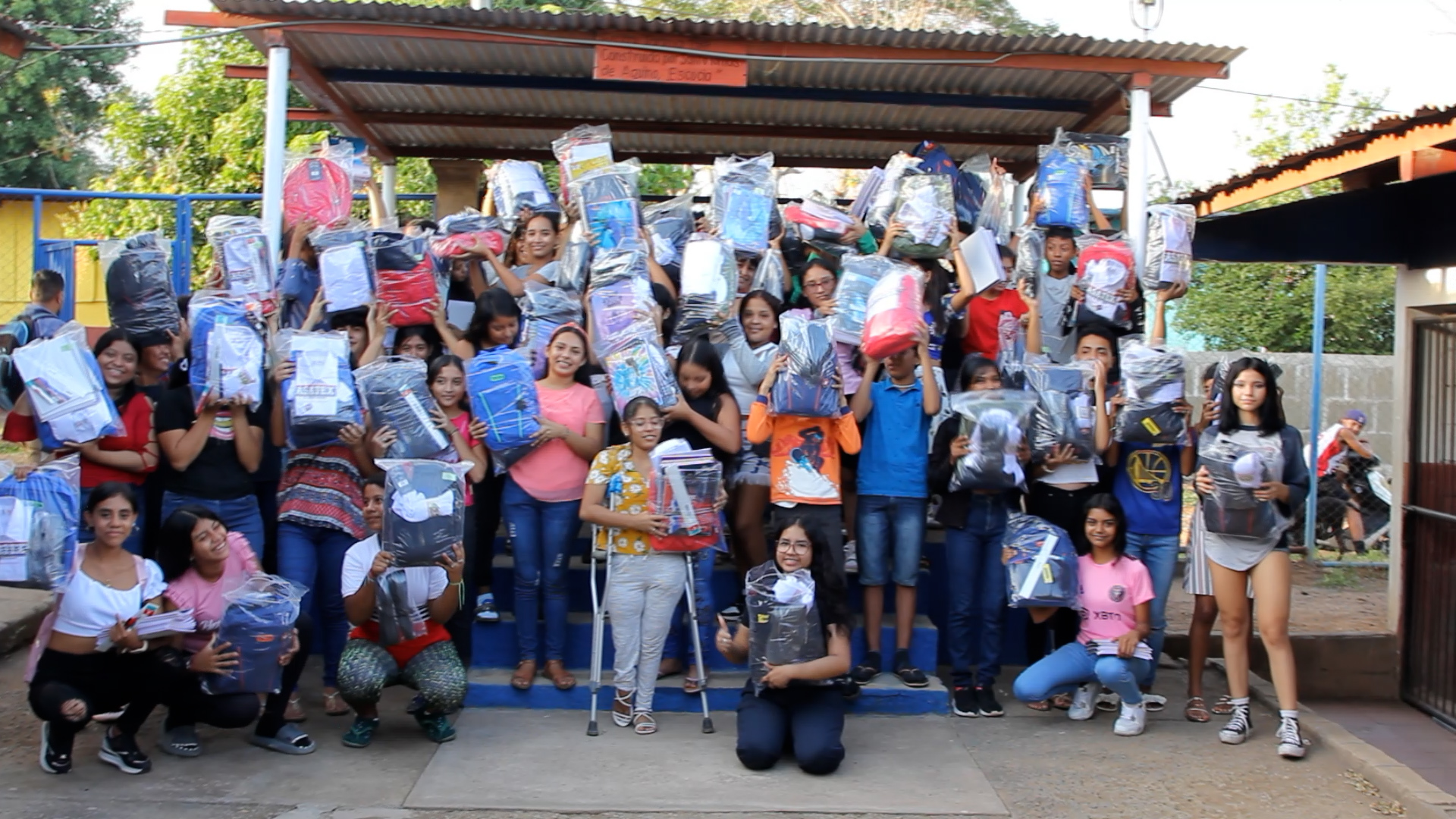
Later, the secondary school was built. It began with just the first year of classes, although three classrooms had already been constructed. As with the primary school, LEG funded the teachers during the first year until the Ministry of Education could assign resources. All classrooms had to be built to be earthquake-proof, which is why each one was designed with two doors. Over time, the school expanded year by year until, in the fifth year, the first generation of students graduated. That graduation was a historic moment: most parents had never attended high school themselves, and many had not even finished primary school. It was after this milestone that the community chose to rename the neighborhood Nueva Esperanza—New Hope.
Beyond education, LEG also supported the community with basic services. For years, there was no running water in the homes. We installed the first electricity poles and even paid for the transformer. Later, together with a volunteer group from Vancouver and the community itself, we brought water to more than 200 homes, and built a pila—a concrete sink and washing area for laundry and water storage.
Our work had actually begun even earlier in rural communities like La Prusia, southwest of Granada. Back then, all the schools we worked in were outside the city, but with Granada’s growth over the past two decades, those same schools are now part of the neighborhoods surrounding the city.
Altogether, we built 51 classrooms and carried out countless repairs to roofs, fences, desks, and latrines. We installed fans, ceilings, whiteboards, playgrounds, and shade shelters. We also organized excursions for thousands of children: to the zoo, to cultural attractions, and even one very special day when a full circus performance was held for children who had attended summer classes.
Volunteers dedicated thousands of hours to one-on-one tutoring, helping children learn to read, add, multiply, tell the time, and understand the days of the week. At that time, before cell phones were common, many children began school never having seen any writing at all in their homes. With patience and hope, we became part of their very first steps into the world of education.
This is the root of our story: working hand in hand with communities, opening doors where only barriers once existed, and planting educational opportunities that transform lives.